
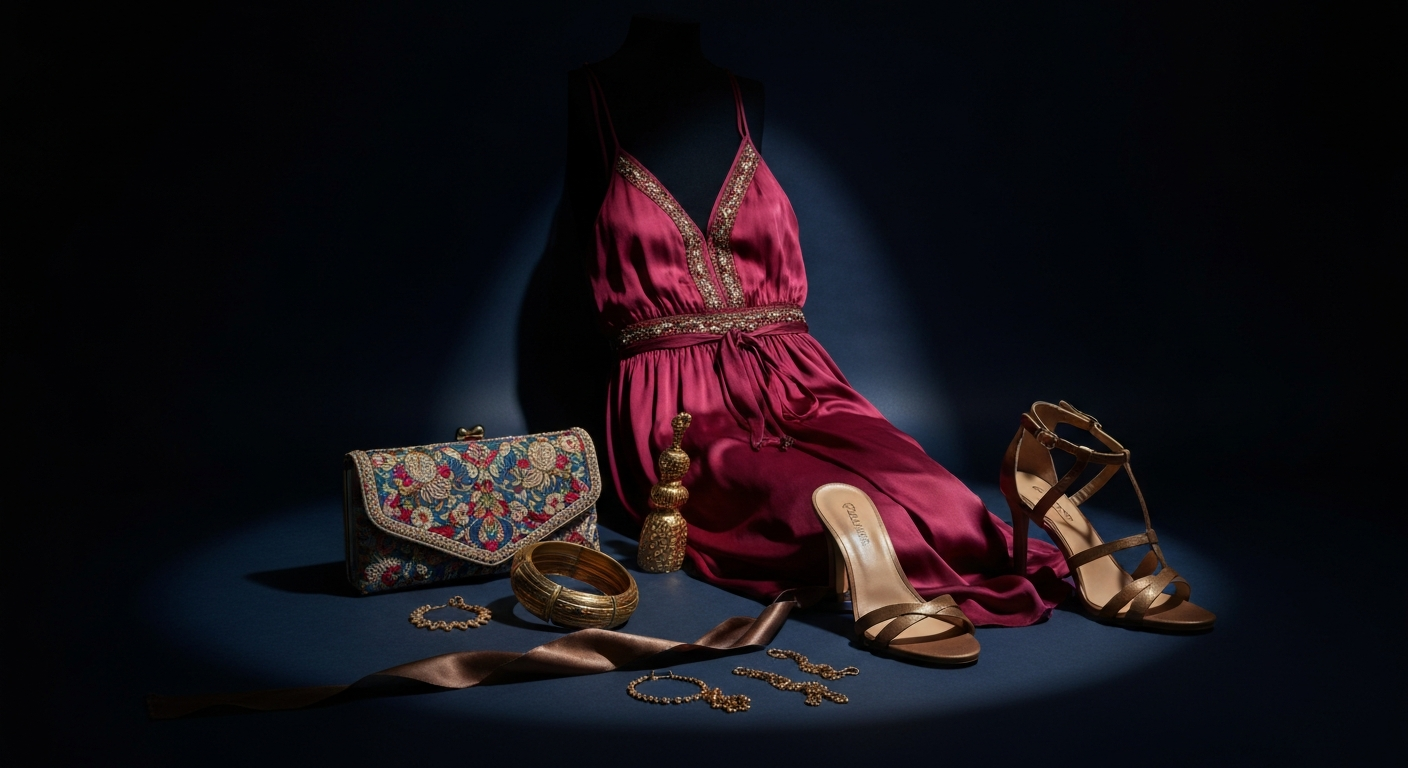
Summer Wedding Guest 2026: The Cultural Celebration Edit
This guide helps you navigate multicultural summer wedding dress codes with confidence. From South Asian sangeets to Mediterranean celebrations, we cover color taboos, modesty requirements, and affordable outfit strategies that honor traditions while keeping you stylish across every ceremony.
Finding the perfect what to wear to a summer wedding guest outfit guide 2026 becomes infinitely more complex when that wedding spans multiple cultural traditions. The modern wedding calendar looks different than it did a decade ago. Your summer might include a Hindu ceremony in June, a Greek Orthodox celebration in July, and an interfaith fusion wedding in August — each with distinct expectations around color, coverage, and ceremonial dress. The anxiety around getting it wrong is real, and most fashion advice ignores these nuances entirely. We have curated this guide specifically for the guest who wants to show up beautifully, respectfully, and without accidentally committing a cultural faux pas that becomes the story everyone tells later.
At Vault Deals, we believe affordable luxury should serve every celebration. That means understanding that a stunning red dress perfect for one wedding could be deeply inappropriate at another. It means recognizing that the best summer wedding outfit ideas 2026 must account for ceremonies that last hours, receptions that span days, and dress codes that vary by cultural context. This is your comprehensive resource for dressing across traditions — with pieces you can actually afford and outfit strategies you can actually use.
Decoding Multicultural Wedding Guest Dress Codes
Before you even think about hemlines or heel heights, understanding the foundational rules of multicultural wedding guest dress expectations will save you from significant stress. Every culture carries centuries of symbolism in its celebration traditions, and clothing sits at the heart of how we honor those moments. The good news is that once you understand the underlying principles, navigating any ceremony becomes manageable.
Understanding Color Symbolism Across Traditions
Color choices at weddings carry weight that extends far beyond aesthetic preference. In South Asian traditions, white represents mourning — wearing it to a Hindu, Sikh, or Muslim wedding signals grief rather than celebration. Red, conversely, represents prosperity, fertility, and marital blessing in many Asian cultures, which is why brides often wear it. As a guest, red can be perfectly appropriate, though some families prefer guests avoid the deepest bridal shades out of respect.
Chinese wedding traditions hold similar color associations. White and black both connect to funerary rites, making them inappropriate guest choices. Bright colors — pink, coral, lavender, jade green — honor the couple while avoiding cultural missteps. Japanese celebrations often welcome pastels and soft metallics, though the specific formality of the venue guides how bold you can go.
Western traditions typically only prohibit white and ivory for guests, though increasingly, couples request guests avoid black for summer celebrations as well. Mediterranean and Latin American weddings often embrace the full spectrum, with guests encouraged to bring color and vibrancy to the celebration. When in doubt, reach out to someone in the wedding party. Most couples appreciate guests who care enough to ask.
Modesty Guidelines for Religious Ceremonies
Religious ceremonies often require specific coverage that secular receptions do not. A Catholic church wedding typically expects shoulders covered during the ceremony, while an Orthodox Jewish wedding may require longer hemlines and sleeves. Muslim ceremonies often call for loose-fitting clothing that does not cling, with some requiring head covering for women during specific portions of the celebration.
Hindu temple ceremonies generally expect modest coverage as well — no extremely short hemlines or plunging necklines — though the reception sangeet that follows may welcome more glamorous silhouettes. Sikh gurdwara services require all guests to cover their heads, regardless of gender, so planning for this accessory matters.
The key is researching the specific ceremony location and tradition beforehand. A beach wedding and a cathedral wedding in the same cultural tradition will have different expectations. Our edit of wedding guest attire different cultures takes these variations into account, offering versatile pieces that adapt to multiple levels of formality and coverage.
✦ CURATED FOR YOU
Shop the Trend at Vault Deals
Discover this season’s must-haves — handpicked for style, value, and instant delivery.
When Fusion Styling Works Beautifully
Fusion styling — blending elements from multiple traditions or incorporating cultural pieces into contemporary outfits — can be a beautiful way to honor celebrations when done thoughtfully. The line between appreciation and appropriation matters, and intention guides success here.
If you have been invited to participate in cultural elements — wearing traditional dress, incorporating specific jewelry, or dressing in ceremonial colors — embrace the invitation fully. Many couples feel honored when guests make the effort to engage with their traditions. If you have not been specifically invited to wear traditional dress, stick with your own cultural aesthetic while respecting color and modesty guidelines.
What works across contexts:
- Incorporating subtle nods through jewelry or textile patterns
- Choosing colors that honor the tradition without wearing ceremonial dress
- Selecting silhouettes that meet modesty requirements in elevated, contemporary fabrics
- Asking the couple directly if you are unsure about appropriateness
What rarely works: purchasing ceremonial pieces you do not understand, wearing religious symbols from traditions outside your own, or treating cultural dress as costume. When uncertain, elegant simplicity in an appropriate color palette will always serve you better than an attempt at fusion that misses the mark.
Summer Wedding Guest Looks for Traditional Ceremonies
SUMMER WEDDING GUEST TRENDS 2026: BY THE NUMBERS
Sources: Wedding Wire Style Report 2026, Pinterest Predicts, Vault Deals customer insights
Each cultural tradition carries specific expectations for wedding guest attire. Understanding these distinctions allows you to honor your hosts while expressing your personal style within appropriate parameters. Here, we break down summer wedding outfit ideas 2026 for some of the most common ceremony types you might encounter.
South Asian Wedding Guest Outfit Inspiration
South Asian weddings often span multiple days and events, each with distinct dress codes. The sangeet — a musical celebration before the wedding — welcomes bold, glamorous looks. Bright colors, embellishment, dramatic silhouettes, and statement jewelry all belong here. The wedding ceremony itself calls for more refined elegance, while still embracing color and festivity. The reception may return to high glamour.
For guests outside the South Asian community, the question of whether to wear traditional dress (sari, lehenga, salwar kameez) often arises. Many South Asian hosts appreciate when guests make this effort, particularly if you have a relationship with the tradition. If purchasing traditional dress feels uncomfortable or performative, opt instead for Western silhouettes in appropriate colors and coverage levels.
Colors that work beautifully for South Asian wedding guests:
- Jewel tones: emerald, sapphire, deep purple, magenta
- Warm metallics: gold, rose gold, bronze
- Bright celebratory shades: fuchsia, coral, turquoise, mango
- Pastels with embellishment for daytime ceremonies
Colors to avoid: white, black, and sometimes red if the family prefers guests leave this shade to the bride. When you shop our dress collection, you will find pieces in these celebration-ready palettes that transition beautifully across multi-day events.
Mediterranean and Middle Eastern Celebration Attire
Greek, Italian, Lebanese, Turkish, and other Mediterranean weddings tend toward joyful extravagance. These cultures celebrate with gusto, and guest attire reflects that energy. Color restrictions are minimal in most secular celebrations, though religious ceremonies may require specific coverage.
Greek Orthodox church weddings expect modest coverage: shoulders covered, hemlines at or below the knee, no plunging necklines. The reception that follows often moves outdoors, where lighter fabrics and more relaxed silhouettes work well. Lebanese and other Levantine weddings often welcome high glamour — think red carpet elegance with statement jewelry and dramatic silhouettes.
For summer Mediterranean destination weddings, consider:
- Flowing maxi dresses in silk or silk-adjacent fabrics
- Mediterranean-inspired prints: tiles, florals, coastal motifs
- Rich colors that photograph well against sea and stone backdrops
- Comfortable heels or dressy flats for outdoor venues
- A lightweight coverup for church portions of the celebration
Turkish and Persian celebrations often feature extensive dancing, so consider comfort alongside elegance. A dress that restricts movement will leave you on the sidelines when the music starts.
East Asian Wedding Color and Style Etiquette
Chinese wedding celebrations call for color awareness above almost all other considerations. Avoid white and black entirely for traditional ceremonies. Red remains the dominant bridal color, though modern brides may also wear white Western-style gowns for portions of the celebration. As a guest, deep reds and pinks are generally welcome, though some families prefer guests stick to other bright colors.
Japanese weddings, whether Shinto or Western-style, tend toward more understated elegance. Pastels, soft metallics, and refined silhouettes work beautifully. Extremely revealing or flashy dress may read as inappropriate for traditional ceremonies. Korean celebrations similarly balance formality with color — bright and cheerful shades are welcome, while overly casual or revealing dress may not be.
For all East Asian celebrations, consider:
- Clean, elegant silhouettes without excessive embellishment
- Sophisticated color choices: blush, champagne, jade, coral, soft gold
- Modest but contemporary cuts that show personal style
- Quality fabrics that photograph well and resist wrinkles
When attending celebrations outside your own cultural tradition, err toward slightly more conservative choices. You can always remove a jacket or change shoes between ceremony and reception, but you cannot undo an outfit that feels disrespectful to your hosts.
Affordable Outfit Ideas for Interfaith Summer Weddings
Interfaith and fusion weddings present unique styling opportunities. When two traditions merge, the dress code often lands somewhere between both — or the couple creates something entirely new. These celebrations reward versatility, and building an outfit around pieces that adapt to multiple contexts makes financial and practical sense.
Versatile Pieces That Transition Between Events
The most valuable items in your wedding guest wardrobe are those that work across multiple settings with minor adjustments. A midi dress in a rich jewel tone can serve you at a Hindu ceremony, a Jewish reception, and a secular summer wedding with nothing more than accessory changes. This approach to affordable wedding guest dresses means investing in quality basics and treating accessories as the variables.
Editor’s pick pieces for interfaith wedding versatility:
- A-line midi dresses in solid jewel tones with modest necklines
- Palazzo pants in rich colors paired with elegant blouses
- Maxi skirts in flowing fabrics that work with multiple tops
- Tailored jumpsuits with detachable sleeves or jacket options
- Wrap dresses that adjust for different modesty requirements
When you Shop the Trend at Vault Deals, look for pieces in neutral-adjacent tones that complement multiple accessory directions. A deep teal dress can go bold with gold statement jewelry for a South Asian celebration or soft with pearl earrings for a church wedding. Building around these chameleon pieces stretches your wardrobe significantly.
Layering for Ceremony-to-Reception Transformations
Many multicultural weddings require guests to navigate between formal religious ceremonies and more relaxed receptions — sometimes in the same afternoon. Strategic layering solves this problem elegantly. A structured blazer over a sleeveless dress covers shoulders for church, then comes off for outdoor dancing. A lightweight cashmere wrap provides temple-appropriate modesty before transitioning to a chic reception accessory draped over shoulders.
Key layering pieces for summer 2026:
- Linen or linen-blend blazers in ivory, blush, or navy
- Silk or cashmere blend wraps in colors that complement your dress
- Lightweight cardigans in fine-gauge knits
- Bolero jackets that read as intentional rather than cover-up
- Elegant pashminas that transition from head covering to wrap
The goal is pieces that feel like part of the outfit rather than afterthoughts. When your coverup reads as an accessory choice rather than a modesty correction, your overall look stays cohesive.
Budget-Smart Accessories That Honor Traditions
Accessories offer the most affordable way to shift an outfit between cultural contexts. The same base dress can honor vastly different traditions with thoughtful accessory changes. This is where investing time in understanding symbolism pays dividends — the right jewelry choice can signal respect and cultural awareness far more than any specific garment.
Strategic accessory investments:
- Gold statement earrings for South Asian and Mediterranean celebrations
- Pearl or pearl-adjacent pieces for East Asian and Western events
- Colorful silk scarves that serve as head coverings, wraps, or bag accessories
- Embellished clutches that add glamour to simple dresses
- Comfortable but elegant heels that handle multiple floor surfaces
When you browse accessories with intention, look for pieces that serve multiple functions. A beautiful silk scarf becomes a head covering at a synagogue, a wrap at an outdoor reception, a bag accessory at a cocktail event, and a hair piece at a garden party. Versatility equals value.
Styling Tips for Destination Cultural Weddings
Destination weddings add logistical complexity to cultural dress code navigation. You cannot pack your entire wardrobe for a four-day celebration in another country, which means every piece must work harder. The following strategies help you arrive prepared without excess baggage fees.
Packing Light While Staying Culturally Appropriate
The key to destination wedding packing lies in building from a core color palette and selecting pieces that layer and interchange. For a multicultural wedding weekend, aim for no more than two to three dresses supported by accessories that dramatically shift each look.
A sample destination wedding capsule:
- One statement dress for the main ceremony in an appropriate color
- One versatile midi dress that works for secondary events
- One elegant pants-and-top combination for casual welcome dinners
- Two pairs of shoes: one dressy heel, one elegant flat
- Three to four accessory groupings that create distinct looks
- One coverup piece that serves multiple modesty requirements
Shipping a garment bag ahead of you can solve the wrinkle problem for destination events. Many hotels will receive packages before your arrival, allowing you to pack formal pieces flat in boxes rather than folded in carry-ons. This approach particularly helps with delicate fabrics that do not travel well.
Climate-Friendly Fabrics for Outdoor Celebrations
Summer destination weddings often mean heat, humidity, and hours of outdoor celebration. Your fabric choices matter as much as your silhouettes. Nothing undermines confidence faster than visible perspiration or a dress that wilts in humidity.
Fabrics that perform in summer heat:
- Linen and linen blends (embrace the natural wrinkling as part of the aesthetic)
- Lightweight silk and silk crepe
- Cotton voile and cotton lawn in elevated cuts
- Technical fabrics designed to mimic natural fibers with better performance
- Rayon and viscose blends with good drape and breathability
Fabrics to avoid for hot outdoor weddings:
- Heavy polyester that traps heat and moisture
- Bodycon styles in non-stretch fabrics
- Thick velvet or brocade regardless of color
- Anything that requires shapewear underneath
Your comfort directly affects your confidence, and your confidence affects how you show up at the celebration. Choosing appropriate fabrics honors your hosts by allowing you to be fully present.
Quick-Change Outfit Strategies for Multi-Day Events
Multi-day wedding celebrations — common in South Asian, Jewish, and many other traditions — require multiple distinct looks. The pressure to appear in something new for each event can feel overwhelming and expensive. Smart planning reduces both stress and cost.
Day-of strategies that work:
- Rent high-impact pieces for main ceremonies, own versatile basics
- Share a rental order with friends attending the same wedding
- Use dramatic accessory changes to make one dress read as multiple outfits
- Pack one wildcard piece that mixes with basics for unexpected events
- Coordinate with other guests to avoid exact outfit repetition
For truly extended celebrations — some South Asian weddings span four or five days of events — consider whether wearing the same dress twice with different styling reads as appropriate. In many cases, particularly for secondary events, thoughtful re-wearing shows wisdom rather than limitation.
Your Cultural Wedding Guest Capsule Wardrobe
Building a capsule wardrobe specifically for multicultural wedding attendance may be the most practical style investment you make this year. With the right foundational pieces, you can attend any celebration — from a traditional Pakistani nikkah to a Greek seaside ceremony — with confidence that you look appropriate and feel beautiful.
Five Mix-and-Match Pieces for Any Celebration
We have curated this foundational list to serve the modern wedding guest who attends diverse celebrations throughout the year. These five pieces, selected in complementary colors, create a foundation for any summer wedding guest outfit.
The essential five:
- The Jewel-Tone Midi Dress: Emerald, sapphire, or magenta in a modest but contemporary cut. A-line or fit-and-flare silhouettes work across body types and most cultural contexts.
- The Elegant Wide-Leg Trouser: In champagne, navy, or blush. Pairs with multiple tops for events where dresses feel too formal or not formal enough.
- The Silk Blouse: In a color that complements your trouser but also works tucked into a skirt. Choose a modest neckline with interesting sleeve details.
- The Statement Maxi Skirt: In a rich print or solid jewel tone. Pairs with simple tops for garden parties and with elegant blouses for evening events.
- The Structured Coverup: A blazer, kimono, or wrap jacket that reads as intentional style rather than afterthought. Choose a neutral that complements your color palette.
These five pieces, worn in different combinations with strategic accessory changes, create more than a dozen distinct looks. The initial investment pays dividends across every wedding season for years to come.
Statement Accessories That Cross Cultural Boundaries
Certain accessory styles read as elegant across virtually all cultural contexts. Building your collection around these pieces means fewer emergency purchases before specific events and more confidence that your look reads appropriately wherever you go.
Universal elegant accessories:
- Gold or gold-tone drop earrings with clean lines
- A strand of pearls or a pearl-adjacent statement necklace
- A structured clutch in metallic, jewel tone, or neutral
- Comfortable block heels in nude or metallic tones
- A quality silk scarf in a color that complements your wardrobe
- Simple but elegant bangles or a statement cuff
Avoid accessories with obvious religious symbolism from traditions outside your own, and when in doubt, choose pieces that read as elegant rather than culturally specific. Your jewelry should enhance your outfit without becoming a conversation about cultural appropriation.
Building Confidence Through Respectful Styling
The deepest confidence comes from knowing you have done the work to show up appropriately. When you understand the dress code expectations, have selected pieces that honor both your style and the tradition, and arrive prepared for whatever the celebration requires, you can stop worrying about your outfit and be fully present for the couple.
This is the real gift of thoughtful wedding guest dressing: it removes the distraction of anxiety and allows genuine celebration. Your hosts invited you because they want to share their joy with you. Arriving in attire that respects their traditions shows you take that invitation seriously.
Final styling confidence tips:
- When uncertain about any element, ask someone in the wedding party directly
- Err toward slightly more conservative rather than pushing boundaries
- Prepare backup options for unexpected dress code requirements
- Remember that your presence matters more than your outfit
- Trust your research and release perfectionism once you arrive
At Vault Deals, we believe every guest deserves to feel confident at every celebration, regardless of budget. Our hand-selected collection of affordable luxury pieces helps you build a wardrobe that serves you across contexts and seasons. When you shop with cultural awareness and personal style in mind, the right outfit finds you.
Frequently Asked Questions About Multicultural Wedding Guest Attire
What colors should I avoid wearing to a summer wedding from different cultural traditions?
Color restrictions vary significantly by tradition. For South Asian weddings, avoid white (which symbolizes mourning) and sometimes red (reserved for brides in many families). For Chinese celebrations, skip white and black entirely, as both connect to funerary rites. Western weddings typically only prohibit white and ivory for guests, though some couples now request guests avoid black for summer events as well. When attending any cultural celebration, research the specific tradition or ask the couple directly about color expectations. When in doubt, jewel tones like emerald, sapphire, and magenta work beautifully across most cultural contexts.
How do I dress appropriately for a multicultural wedding with multiple ceremonies?
Multi-ceremony weddings require strategic planning and versatile pieces. Start by researching dress code expectations for each event — a religious ceremony may require more coverage than a reception, and different cultural portions may have distinct color expectations. Build your wardrobe around pieces that layer and interchange, allowing you to add or remove coverage as needed. Invest in accessories that dramatically shift the feel of a single dress between events. Pack a lightweight coverup that handles modesty requirements for religious portions while reading as a style choice rather than an afterthought. For multi-day celebrations, plan distinct looks but recognize that thoughtful re-wearing with different styling is often perfectly appropriate for secondary events.
Can I wear Western-style dresses to traditional cultural wedding celebrations?
In most cases, yes — Western-style dresses are appropriate for traditional cultural celebrations as long as they meet the specific modesty and color requirements of the tradition. A contemporary midi dress in an appropriate jewel tone works beautifully at most South Asian, Mediterranean, or East Asian weddings. The key is respecting the underlying dress code principles: avoiding prohibited colors, meeting coverage expectations for religious ceremonies, and choosing silhouettes that photograph well alongside traditional dress without competing with the wedding party. If the couple has specifically invited you to wear traditional dress from their culture, consider embracing that invitation. Otherwise, elegant contemporary attire in appropriate colors shows respect while honoring your own aesthetic.
What affordable accessories work across different cultural wedding dress codes?
The most versatile accessories read as elegant across virtually all cultural contexts. Gold or gold-tone drop earrings with clean lines work at South Asian sangeets, Mediterranean receptions, and Western garden parties alike. Pearl or pearl-adjacent statement necklaces complement modest ceremony attire across traditions. A structured clutch in metallic, jewel tone, or neutral serves every formality level. Comfortable block heels in nude or metallic tones pair with any outfit while handling multiple floor surfaces. Most importantly, a quality silk scarf in a complementary color becomes a head covering at synagogues, a wrap at outdoor receptions, a bag accessory at cocktail events, and a hair piece at garden parties — making it perhaps the single most versatile wedding guest accessory investment.
Ready to Build Your Dream Wardrobe?
Explore our curated collections at Vault Deals — affordable luxury, delivered to your door.
With over a decade covering runway trends, street style, and affordable luxury, FashionWriter curates every piece on vault.deals and writes editorial content designed to help women dress confidently at any budget. Follow the latest picks at vault.deals.